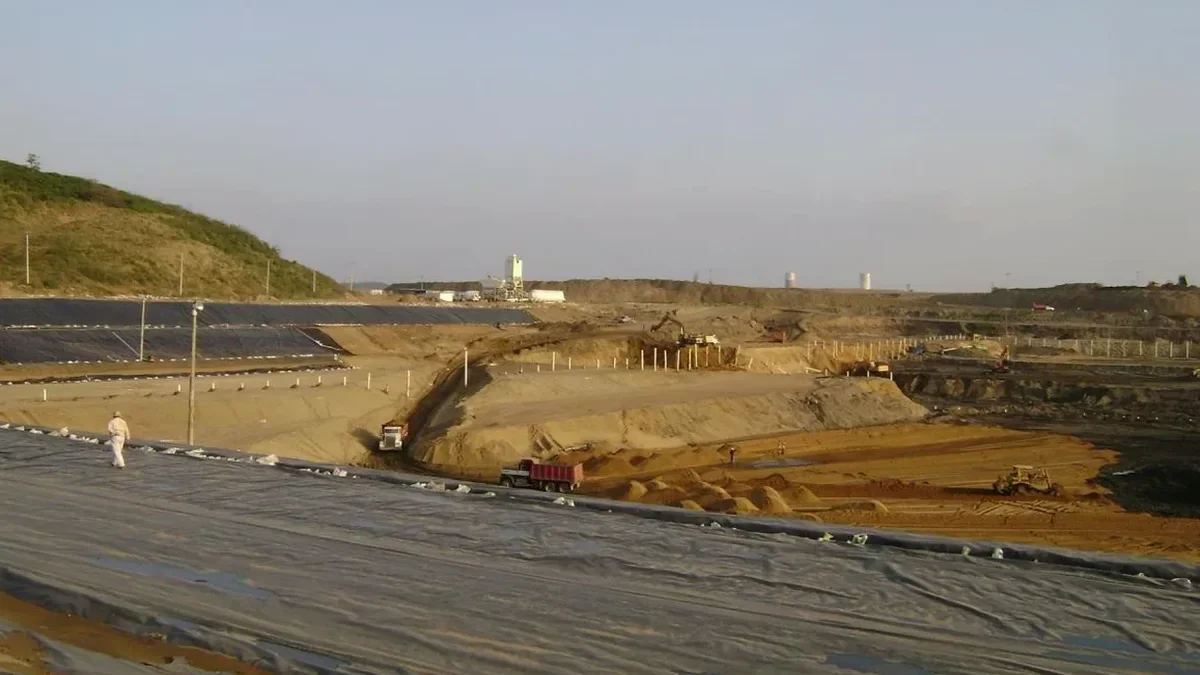
The most frequent mistake in Napier is treating the subsoil as uniform fill. The Heretaunga Plains conceal interbedded gravels, silts, and pumiceous sands deposited by the Tutaekuri River, often under artesian pressure. Excavation crews hit a confined gravel layer, water surges in, and the base heaves within minutes. Recovery is expensive. We design retention systems that specifically map these confined aquifers before a tooth of the bucket breaks ground. A CPT test pushed through the target depth reveals pore pressure profiles that standard boreholes miss, allowing the shoring design to anticipate hydraulic uplift rather than react to it.
An excavation in Napier is a water control problem first and a soil retention problem second.
Local context
Post-1931 Napier rebuilt rapidly, and much of the CBD sits on rubble fill and hydraulic fill placed to raise ground levels. This material is heterogeneous, uncemented, and highly susceptible to piping. A deep excavation here intersects a layered system where groundwater migrates through gravel stringers, eroding fines from overlying silts. Uncontrolled seepage triggers progressive collapse outside the wall line. Our designs specify jet grout base plugs or deep well dewatering with multi-screen arrays to cut off flow paths. We also require trigger levels for piezometric drawdown. Exceed a threshold, and the contingency shifts to recharged systems to protect timber-piled heritage structures within the zone of influence. Liability in Napier is tied directly to groundwater management, not just wall capacity.
Questions and answers
What is the cost range for a deep excavation design in Napier?
Fees for a complete deep excavation design package in Napier typically range from NZ$3,820 to NZ$13,880. The total depends on excavation depth, wall type (soldier pile vs. diaphragm wall), and the complexity of the groundwater control system required.
How do you handle artesian pressures common in Napier?
We use CPTu soundings to map pore pressure profiles in the confined gravel aquifers. The design then specifies either deep well dewatering with multi-screen arrays to reduce pressure below the excavation base, or jet grout plugs and tension anchors to resist uplift directly.
What monitoring is required during excavation?
A monitoring plan includes inclinometers behind the wall, piezometers at multiple depths, and survey prisms on adjacent structures. Readings are taken daily during active cuts. Trigger levels for wall deflection and drawdown are set in advance, with pre-agreed contingency actions.
Does the design account for seismic loads?
Yes. Earth pressure envelopes incorporate seismic increments per NZS 1170.5, and structural connections are detailed for ductility. For critical walls, we run a post-earthquake serviceability check to ensure the excavation can be safely re-entered after a design-level event.